Have you ever looked at an older brick building and noticed crumbling mortar, flaking brick faces, or a crack that seems a little longer every spring? I have spent time studying how building envelopes age, and I can tell you that masonry rarely fails all at once. It fails slowly, quietly, and mostly through water.
In this guide, I explain why masonry deteriorates in Alberta’s climate, how to spot early warning signs, what professional masonry restoration Calgary property owners should expect actually involves, and how to choose a contractor you can trust.
Why Calgary Is Hard on Masonry
Brick, stone, and mortar are durable, but they are not immune to weather. Calgary’s climate combines cold winters, intense sun, low humidity, and rapid temperature swings, and those swings are the real enemy.
The Freeze-Thaw Cycle
Masonry absorbs small amounts of moisture. When that moisture freezes, it expands, and repeated cycles push the surface apart from within. Chinook winds can raise temperatures dramatically in a matter of hours, so a wall can thaw and refreeze many times in a single winter. Every cycle adds stress to mortar joints and brick faces.
Moisture Finds Every Gap
Water enters through open joints, hairline cracks, failed sealants around windows, and damaged flashing or copings at rooflines. Once inside the wall, it can corrode steel lintels and ties, stain interior finishes, and encourage mold. What looks like a cosmetic problem outside is often a moisture problem inside.
Age and Past Repairs
Many older buildings were built with softer, lime-based mortar. Well-meaning repairs using hard modern cement mortar can trap moisture and cause the softer brick to crack and spall. Matching materials matters as much as the repair itself.
Warning Signs of Masonry Damage
You do not need to be an engineer to notice trouble. When I walk around a building, these are the signs I look for:
- Crumbling or missing mortar: joints that are recessed, powdery, or open.
- Spalling brick: faces that flake, peel, or pop off.
- Efflorescence: white, chalky salt deposits that signal water movement.
- Stair-step cracks: diagonal cracks that follow the mortar joints and may indicate movement.
- Bulging or leaning walls: a serious warning that needs immediate attention.
- Rust stains: streaks that hint at corroding steel behind the surface.
- Interior dampness: peeling paint or stains on walls below windows or rooflines.
If you notice several of these, it is time for a professional assessment rather than another season of waiting.
What Professional Masonry Restoration Involves
Good restoration is a process, not a single fix. Each stage exists for a reason.
Step 1: Inspection and Assessment
A qualified contractor examines the facade up close, often using lifts or swing stages for taller buildings. They document cracks, sound the masonry for hidden voids, check flashing and sealants, and identify the cause of each defect. Fixing symptoms without understanding causes is how repairs fail.
Step 2: Repointing (Tuckpointing)
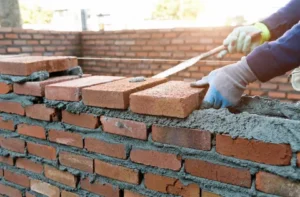
Repointing removes deteriorated mortar to a set depth and replaces it with new mortar. The mix should be compatible in strength and appearance with the original. Done properly, it restores water resistance and structural bond while keeping the building’s character.
Step 3: Brick and Stone Repair
Damaged units are patched, dutchman-repaired, or replaced with carefully matched material. Cracked sections may need stitching or anchoring to stabilize them. On heritage buildings, matching color, texture, and size is part of the job.
Step 4: Cleaning and Surface Treatment
Gentle cleaning removes dirt, efflorescence, and stains. Aggressive methods such as harsh abrasive blasting can permanently damage brick faces, so the mildest effective approach is best. Breathable water repellents can help in some situations, though they must be chosen carefully.
Step 5: Flashing, Sealants, and Detailing
Restoration should also address the details that let water in: window and door sealants, flashing, control joints, and parapet copings. A beautiful wall with failed details will soon be a problem wall again.
How to Choose a Masonry Restoration Contractor in Calgary
The lowest bid is rarely the best value. Here is what I would evaluate.
Relevant Experience
Look for a contractor who can show comparable projects, such as commercial facades, condominiums, or heritage brick. Building restoration specialists like CCD Group Building Restoration, which offers masonry restoration in Calgary, represent the kind of focused expertise worth considering alongside other qualified local firms.
Transparent Scope and Materials
Ask for a written scope that specifies mortar type, repointing depth, replacement materials, and the areas covered. Vague quotes hide risks.
Safety, Insurance, and Coordination
Work at height and over occupied buildings requires proper fall protection, liability insurance, and workers’ compensation coverage. For larger buildings, confirm the contractor coordinates with engineers or consultants when needed.
References and Warranty
Ask for references from similar buildings and a clear written warranty. A contractor who stands behind the work will explain what is covered and for how long.
The Cost of Waiting
Small mortar repairs are relatively inexpensive. Ignored, the same problems can lead to water damage inside the building, corroded structural steel, failed lintels, and even partial wall replacement. For condominium boards and property managers, delay also raises liability and can put reserve funds under pressure. Addressing masonry early is almost always cheaper than emergency repairs later.
FAQs
How often should masonry be inspected in Calgary?
I recommend a visual check at least once a year, ideally in spring after winter damage becomes visible, and a professional facade assessment every few years. Older or heritage buildings may need more frequent attention.
How long does repointed mortar last?
Properly executed repointing with compatible mortar commonly lasts several decades, depending on exposure, workmanship, and building conditions. Sun-exposed and north-facing elevations with heavy moisture may age differently, so regular inspection remains important.
Can I do masonry repairs myself?
Minor cosmetic touch-ups may be possible, but structural repairs, work at height, and mortar matching are best left to professionals. The wrong mortar or method can cause more damage than the original problem.
When is the best time of year for masonry restoration in Calgary?
Mortar needs mild temperatures to cure properly, so restoration typically takes place from late spring through early fall. Booking early in the year helps secure a schedule before the busy season fills up.
Is masonry restoration the same as replacement?
No. Restoration repairs and preserves existing masonry, replacing only what is beyond saving. Replacement removes and rebuilds larger sections and is usually reserved for severe damage or structural failure.
Final Thoughts
Masonry is built to last generations, but only if it is kept dry and maintained. In a climate like Calgary’s, small defects grow quickly, and the owners who inspect regularly and act early spend far less than those who wait for a failure.
If your building shows any of the warning signs above, start with a professional assessment and a clear written plan. Well-planned masonry restoration protects the structure, the appearance, and the value of the property for decades.