A reliable masonry repair contractor in Toronto is a licensed, insured tradesperson who diagnoses brick, stone, or block deterioration and repairs it using materials and techniques matched to the original structure. Toronto’s mix of century-old brick homes, mid-century apartment blocks, and modern commercial façades means masonry problems rarely look the same twice, so the contractor you choose needs to understand both current building code and the older construction methods still holding up much of the city’s housing stock.
This guide explains what masonry repair actually involves, why Toronto’s climate makes it a recurring necessity, how to evaluate a contractor before signing a contract, and what the repair process and costs typically look like.
What Does a Masonry Repair Contractor Do?
A masonry repair contractor restores the structural and weatherproofing function of brick, stone, and block assemblies. The scope of work generally falls into these categories:
Repointing and tuckpointing
Removing degraded mortar joints and replacing them with new mortar matched in colour, texture, and composition to the original.
Brick and stone replacement
Swapping out spalled, cracked, or crumbling units without disturbing surrounding masonry.
Chimney repair and rebuilding
Addressing crown cracks, flashing failures, and deteriorated chimney stacks, which are among the most weather-exposed parts of any building.
Parapet wall repair
Stabilizing and rebuilding the low walls that cap flat roofs, a common failure point on Toronto’s older commercial and residential buildings.
Crack stitching and structural stabilization
Reinforcing cracked walls with helical bars or ties to arrest further movement.
Masonry waterproofing and sealing
Applying breathable sealants that block water intrusion without trapping moisture inside the wall.
Façade and heritage restoration
Repairing or replicating decorative brickwork, stone detailing, and historic mortar profiles on designated or older buildings.
Each of these is a distinct skill set. A contractor who is strong at modern brick veneer repair on a new build isn’t automatically qualified to repoint a 1910 lime-mortar façade — the materials and risks are different, which is why the selection criteria below matter.
Why Toronto Buildings Need Regular Masonry Repair
Masonry is durable, but it isn’t maintenance-free, and Toronto’s climate accelerates wear in specific ways.
Freeze-thaw cycling
This is the dominant cause of masonry failure in the city. Water that enters a mortar joint or a hairline crack in a brick freezes and expands, then thaws and contracts, over and over through the winter. Research from the National Research Council of Canada has found that a southwest-facing brick wall in this climate can go through roughly 100 freeze-thaw cycles in a single winter. Repeated over years, this pressure opens joints, pops brick faces, and eventually compromises the wall’s structural integrity.
Road salt and de-icing chemicals
It is used on Toronto sidewalks and driveways get absorbed into porous brick and stone at ground level. Salts crystallize inside the masonry, causing efflorescence — the chalky white staining many homeowners notice on foundation brick — and accelerating deterioration, particularly on older, softer historic brick.
Aging building stock compounds
A large share of Toronto’s residential neighbourhoods, especially in the older city core, were built with lime-based mortar decades before modern Portland cement mortar became standard. Repairing this masonry with the wrong mortar mix is a common and costly mistake, since overly hard modern mortar can trap moisture and damage the surrounding original brick faster than it protects it.
Signs Your Masonry Needs Repair
Toronto property owners should schedule an inspection if they notice:
- Cracked, spalling, or crumbling bricks (spalling is when the brick face flakes or pops off)
- Missing, crumbling, or powdery mortar joints
- Loose or shifting bricks you can move by hand
- White chalky staining (efflorescence) on brick or stone
- Water stains or damp patches on interior walls near exterior masonry
- A leaning, bulging, or visibly cracked parapet or chimney
- Daylight visible through mortar joints from inside an attic or basement
Left unaddressed, these signs typically progress from a cosmetic repointing job to a much more expensive structural rebuild, which is the core argument for early intervention over deferred maintenance.
How to Choose a Reliable Masonry Repair Contractor in Toronto
Reliability in this trade comes down to five verifiable factors, not marketing claims.
Licensing and WSIB coverage
A legitimate contractor carries valid WSIB (Workplace Safety and Insurance Board) coverage and liability insurance. Ask for proof before work begins — this protects you if a worker is injured on your property.
Experience with your building type
A contractor who regularly works on Toronto’s pre-war brick housing, heritage-designated properties, or high-rise façades will recognize issues a generalist might miss. Ask specifically about projects similar in age and construction to yours.
Material-matching capability
Reliable contractors test and match mortar composition, colour, and joint profile rather than defaulting to a standard mix. Mismatched mortar is one of the most visible signs of a rushed repair.
Written, itemized estimates
A trustworthy contractor inspects the property in person and provides a detailed written quote covering scope, materials, and timeline — not a vague verbal price over the phone.
References and documented past work
Ask for addresses of recent local projects or photos of completed work, and check reviews for mentions of punctuality, cleanup, and whether the final result matched the quote.
Questions to Ask Before Hiring
- Are you insured and WSIB-covered, and can you provide documentation?
- Have you worked on buildings of this age and construction type in Toronto before?
- How will you match the existing mortar and brick?
- What is included in the written estimate, and what could add extra cost?
- What warranty do you offer on completed repairs?
- Do I need a permit for this work, and will you handle that process?
A contractor who answers these questions directly and in writing is behaving the way a reliable one should. Hesitation or vague answers on insurance or warranty terms is a warning sign worth taking seriously.
The Masonry Repair Process: What to Expect
Most reputable Toronto masonry contractors follow a similar sequence:
Inspection and assessment
A site visit to identify the extent of damage, its likely cause, and whether the issue is cosmetic or structural.
Written quote
A scope of work with material specifications, cost, and estimated timeline.
Permits, if required
Structural work, chimney rebuilds, and any work on heritage-designated properties typically require City of Toronto permits, which a reliable contractor will manage on your behalf.
Preparation
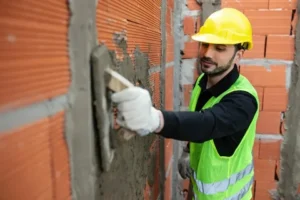
Removing damaged mortar or brick, cleaning the substrate, and protecting surrounding surfaces and landscaping.
Repair execution
Repointing, brick replacement, crack stitching, or rebuilding, carried out to match the original construction.
Cleanup and final inspection
Removing debris and reviewing the finished work with the property owner.
Warranty documentation
Written confirmation of what’s covered and for how long.
Cost Factors for Masonry Repair in Toronto
Masonry repair pricing varies widely because the work itself varies widely. The main cost drivers are:
- Scope and extent of damage; spot repointing a small area costs far less than repairing an entire façade.
- Material type; matching historic brick or natural stone typically costs more than standard modern brick.
- Access and height; chimney and parapet work often requires scaffolding or lift rental, which adds to the price.
- Heritage designation; properties under Toronto heritage protection may require specific materials, techniques, or approvals that extend both cost and timeline.
- Season; masonry work is generally done in warmer months, and demand-driven scheduling can affect pricing and availability.
Because of this variability, a site visit and written estimate are the only reliable way to get an accurate number — cost ranges quoted without seeing the property should be treated as rough guidance only.
Repair vs. Replacement: Which Do You Need?
Most masonry problems are repairable. Repointing addresses mortar failure, individual brick replacement handles localized spalling, and crack stitching stabilizes hairline structural cracks. Full replacement is usually reserved for sections where deterioration is extensive, where the structural integrity of the wall itself is compromised, or where water damage has spread beyond what spot repair can fix. A qualified contractor should be able to explain, in plain terms, why they’re recommending one approach over the other rather than defaulting to the more expensive option.
Preventive Maintenance Tips to Extend Masonry Lifespan
- Schedule a masonry inspection every two to three years, and after any severe storm or winter.
- Keep gutters and downspouts clear so water is directed away from brick and foundation walls.
- Address small mortar cracks promptly, before freeze-thaw cycles widen them.
- Avoid heavy salt application directly against brick or stone surfaces in winter.
- Have chimneys inspected annually, since they’re among the most weather-exposed masonry elements on a property.
Frequently Asked Questions
How much does masonry repair cost in Toronto?
It depends on scope, materials, and access, but most contractors provide an exact figure only after an in-person inspection since pricing per project varies significantly.
How long does a typical masonry repair take?
Small repointing jobs can take a day or two, while chimney rebuilds or full façade work may take one to two weeks depending on scope and weather conditions.
Do I need a permit for masonry repair in Toronto?
Structural repairs, chimney rebuilds, and work on heritage-designated properties generally require a permit from the City of Toronto; cosmetic repointing on a small area usually does not.
What time of year is best for masonry repair?
Spring through fall is standard, since mortar needs consistent above-freezing temperatures to cure properly.
Choosing a Contractor You Can Rely On
Reliable masonry repair in Toronto comes down to matching the right skill set to your building’s age, material, and exposure, and verifying that the contractor is insured, experienced, and transparent about scope and cost before work begins. Given how quickly a small mortar failure can turn into a structural repair after a few Toronto winters, the most cost-effective step any property owner can take is scheduling an inspection at the first sign of damage rather than waiting for it to worsen.